Buying 4JJ1 Engine
Unleashing Performance: An In-Depth Guide to the 4JJ1 Engine
The 4JJ1 powerplant, a dependable three-liter four-cylinder diesel, has garnered attention for its design and operational capabilities. With features like forced induction and common rail fuel delivery, it provides exceptional torque output. However, unlocking its maximum performance requires a calculated methodology to modifications and maintenance. Understanding these aspects is vital for both heavy-duty applications and performance enthusiasts. What precise modifications can meaningfully enhance its performance?
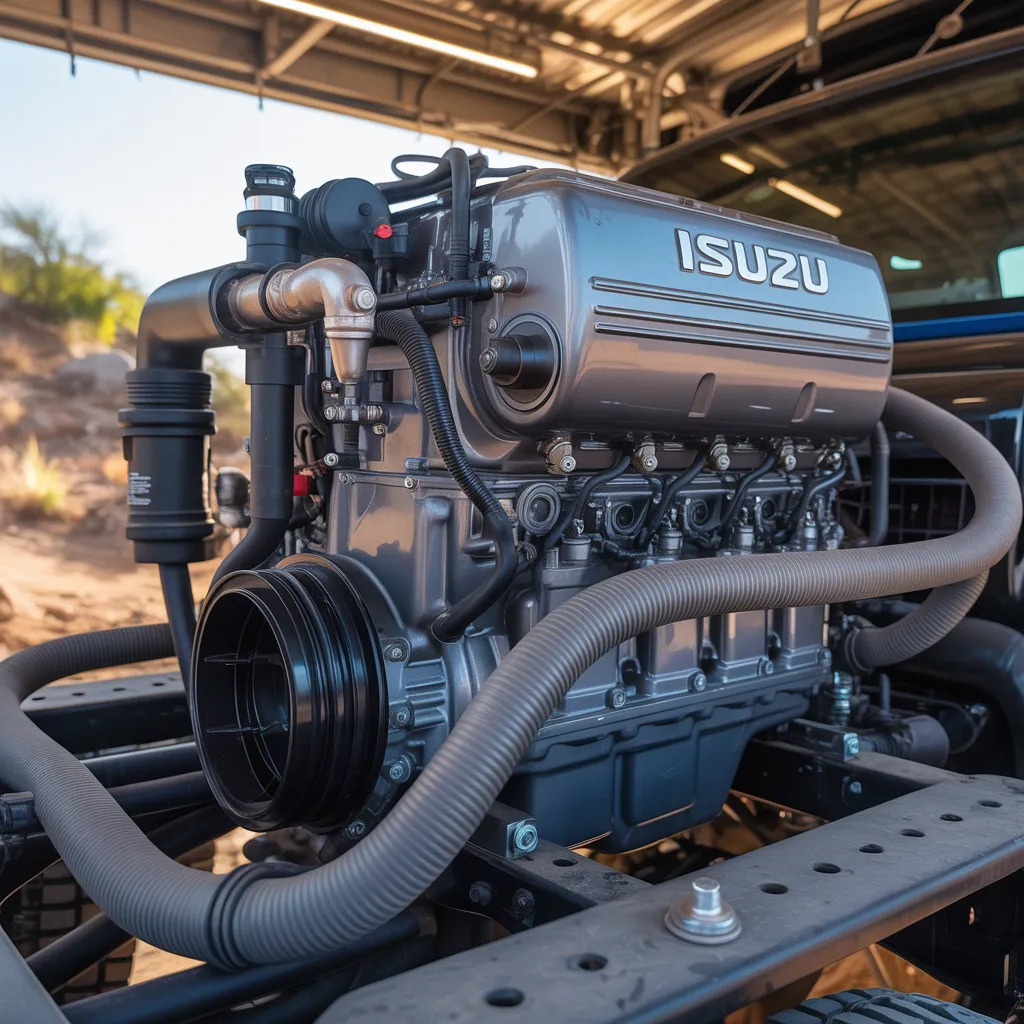
The Engineering Features of the 4JJ1 Engine
The 4JJ1 engine showcases a strong design that highlights efficiency and durability. This 3.0L four-cylinder diesel engine integrates sophisticated engineering principles to improve its functionality. Its iron block construction delivers strength, while the aluminum cylinder head contributes to weight reduction and excellent thermal performance. The engine is equipped with a DOHC (Dual Overhead Camshaft) layout, which enables precise timing and enhanced air intake, also improving combustion efficiency.
In addition, the 4JJ1 is built with a common rail fuel injection system, allowing for better fuel distribution and lower emissions. The motor's turbocharger improves power output while sustaining fuel economy. Additional design features include a high-strength crankshaft and fortified pistons, which support the motor's longevity under heavy loads. In conclusion, the 4JJ1 motor's design embodies a focus on reliability and cutting-edge technology, making it well-suited for a diverse range of applications.
What Makes the 4JJ1 Engine Stand Out in Performance
The 4JJ1 engine sets itself apart through its exceptional torque delivery, providing substantial power across various driving conditions. Furthermore, its fuel economy benefits make it a compelling choice for those pursuing performance without sacrificing economy. These characteristics strengthen its recognition in both professional and individual applications.
Outstanding Torque Performance
While many engines strive for power, the 4JJ1 engine distinguishes itself through its exceptional torque delivery, making it a premier option for both performance and utility. This engine features a robust design, permitting it to deliver impressive torque at low RPMs, which is essential for tasks demanding significant towing power. The 4JJ1's torque curve stays consistent across a broad spectrum, delivering steady power that improves drivability, notably in difficult terrain. Its sophisticated turbo system further optimizes torque response, facilitating quick acceleration without compromising handling. This pairing of bottom-end torque and reaction makes the 4JJ1 engine not only appropriate for rigorous use but also a reliable option for performance enthusiasts pursuing a thrilling ride.
Fuel Efficiency Advantages
Enhancing fuel performance, the 4JJ1 engine proves to be a standout in the demanding arena of advanced engines. This engine employs cutting-edge fuel injection systems and a expertly optimized turbocharger, enabling it to enhance burn efficiency and minimize energy consumption. Its construction includes streamlined elements that boost operational effectiveness without sacrificing power output. Furthermore, the 4JJ1 engine's ability to maintaining consistent torque across a broad RPM spectrum allows for more efficient acceleration and reduced power loss. These qualities result in a more economical driving experience, making it an superior selection for commercial and leisure vehicles alike. As a result, the 4JJ1 engine not only meets performance demands but also prioritizes fuel efficiency, defining excellence in its segment.
Top Upgrades to Boost 4JJ1 Power
Harnessing the complete capability of the 4JJ1 engine frequently requires a range of deliberate modifications. One of the most effective improvements is fitting a advanced turbocharger, which boosts airflow and substantially increases power output. Additionally, upgrading the intercooler can increase thermal efficiency, allowing for more concentrated air intake and superior combustion.
Another key modification is the addition of an aftermarket exhaust system, which reduces backpressure and enhances exhaust flow, additionally boosting overall engine performance. Reprogramming the engine's ECU can also reveal additional horsepower by adjusting fuel maps and ignition timing for improved efficiency.
Lastly, optimizing the fuel delivery system with bigger injectors makes certain that the engine obtains adequate fuel for higher performance demands. As a whole, these improvements can turn the 4JJ1 engine into a stronger, performance-oriented unit, perfect for various performance applications.
Essential Maintenance Tips to Prolong 4JJ1 Engine Lifespan
Proper maintenance is essential for extending the life of the 4JJ1 engine. Frequent oil changes are necessary, as they ensure optimal lubrication and reduce wear on engine parts. Using high-quality oil and replacing the oil filter at each change will enhance engine performance and longevity. Moreover, keeping track of coolant levels and renewing it on a scheduled basis assists in preventing overheating and corrosion.
Air and fuel filters should be checked and substituted when necessary to ensure proper airflow and fuel supply, which plays a significant role in engine performance. Consistently monitoring and modifying the valve clearance can also help avoid possible problems and support smooth functioning.
Moreover, keeping the engine clean from debris and dirt can help prevent overheating and mechanical issues. To conclude, sticking to the manufacturer's recommended service intervals for timing belts and other important components is critical. By following these key maintenance practices, owners can substantially increase the longevity and reliability of the 4JJ1 engine.
How to Diagnose Common 4JJ1 Engine Problems?
Despite consistent maintenance efforts, those who operate 4JJ1 engines may encounter issues over time. Typical signs of trouble include reduced power, rough idling, and excessive smoke. In order to diagnose these concerns, one should first check the fuel system for clogs or leaks, because consistent fuel supply is critical to maintaining optimal engine function. Inspecting the air filter is also important, as a dirty filter can restrict airflow, leading to inefficiency.
Furthermore, analyzing the engine's sensors, such as the mass airflow and throttle position sensors, can reveal defects impacting functionality. Additionally, scanning for fault codes using an OBD-II scanner can deliver valuable data into underlying issues.
Finally , confirming that the cooling system works effectively is essential to stop the engine from overheating , which can lead to significant damage. By methodically working through these areas , those who operate 4JJ1 engines can efficiently pinpoint and address frequent issues , guaranteeing their engine maintains reliable performance.
Comparing the 4JJ1 Engine to Other Diesel Engines
Though various diesel engines deliver impressive performance, the 4JJ1 engine sets itself apart due to its unique blend of efficiency and power. When measured against conventional diesel engines, the 4JJ1 is recognized for its lightweight design, which contributes to improved fuel economy without sacrificing torque. Its turbocharged, intercooled setup boosts performance, making it particularly suited for both commercial and light-duty applications.
Compared to competitors like the Cummins ISB or the Ford 7.3L Power Stroke, the 4JJ1 frequently provides equivalent torque performance while maintaining lower emissions. Additionally, the engine's compact size provides adaptability during installation, attracting both original equipment manufacturers and enthusiast builders.
How Engine Modifications Shape 4JJ1 Maintenance Requirements
Adjustments to the 4JJ1 motor can significantly alter its maintenance schedule. Enhanced cooling systems may be needed content to accommodate higher performance levels, while regular oil changes might be needed due to increased operating temperatures. Furthermore, improved fuel grades might be required to accommodate the improved operational parameters stemming from these changes.
Elevated Cooling Specifications
When engine performance is improved through various modifications, the thermal management needs of the 4JJ1 engine become increasingly vital. Upgrades such as turbo upgrades and refined intake setups create increased heat levels, necessitating more efficient cooling solutions. Standard cooling systems may struggle to dissipate the extra heat, causing a risk of overheating and consequential engine deterioration. Therefore, enthusiasts may need to take into account installing heavy-duty radiators, improved intercoolers, and superior coolant flow systems. Additionally, consistent upkeep of the cooling assembly, encompassing leak inspections and maintaining correct coolant volumes, proves absolutely necessary. Neglecting these enhanced cooling requirements can undermine the benefits gained from performance modifications, thereby impacting the motor's durability and dependability. Thorough oversight of these elements is critical for maximum engine efficiency.
Increased Oil Change Frequency
Advanced cooling mechanisms are not the only element demanding focus when optimizing the 4JJ1 engine. Modifications aimed at improving performance often lead to increased engine temperatures and stress, thereby affecting oil quality and longevity. As a result, mechanics may need to establish a more frequent oil service interval to maintain engine health. Consistent oil replacements become critical to secure sufficient lubrication, limit wear, and eliminate sludge formation. Additionally, synthetic lubricants, commonly employed in upgraded engines, may deteriorate more rapidly under demanding performance circumstances. Therefore, preserving optimal oil condition through more frequent replacements is essential for the lifespan and effectiveness of the 4JJ1 engine, making sure that it operates smoothly under enhanced performance conditions.
Improved Fuel Quality Demands
Upgrading fuel quality is critical for preserving the performance and reliability of the 4JJ1 engine, especially following modifications. Enhanced fueling systems and aftermarket parts often necessitate increased octane or cetane values to improve combustion efficiency. Utilizing low-quality fuel can lead to knocking, reduced power output, and increased emissions, compromising the benefits of any modifications. Furthermore, higher-quality fuels typically feature detergent additives that assist in preventing carbon buildup, a critical consideration for upgraded engines that may run under heightened pressure. Regularly monitoring fuel quality and confirming compatibility with modifications can considerably increase the lifespan of the engine and improve overall efficiency. Therefore, purchasing high-quality fuel becomes a essential component of maintaining the 4JJ1 engine after upgrades have been applied.
Future Developments in the 4JJ1 Engine
As the 4JJ1 engine has proven itself to be a dependable option across numerous applications, upcoming innovations promise to further enhance its performance and efficiency. Improvements in turbocharging technology are designed to boost power output while minimizing lag, facilitating a smoother and more immediate driving experience. Furthermore, the incorporation of sophisticated electronic control units (ECUs) is anticipated to refine fuel injection and combustion processes, leading to improved fuel efficiency and reduced emissions.
Studies on non-conventional fuels, like biodiesel mixtures and engineered fuels, may further broaden the flexibility of the 4JJ1 engine, rendering it more eco-friendly. Upgraded cooling mechanisms and advanced materials are being explored to increase durability and reliability in challenging operating environments. Finally, continued partnerships with vehicle producers may lead to tailored modifications, ensuring that the 4JJ1 engine remains competitive in a rapidly changing industry. Such advancements together seek to reinforce the engine's reputation as a top performer in its segment.
Frequently Asked Questions
What Is the History Behind the Development of the 4JJ1 Engine?
The 4JJ1 engine came into existence through Isuzu's engineering efforts during the early part of the 2000s, designed to boost fuel efficiency and long-lasting performance for commercial vehicles. The engine's design showcases progress in diesel technology alongside a commitment to environmental compliance.
How Well Does the 4JJ1 Engine Handle Extreme Weather Conditions?
The 4JJ1 engine exhibits dependable operation in severe weather conditions, sustaining efficiency and power output. Its robust design incorporates features that improve cold-start capability and heat management, guaranteeing adaptability across various climates and challenging environments.
What Are Common Myths About the 4JJ1 Engine?
Prevalent misconceptions about the 4JJ1 engine include misconceptions regarding its performance in extreme conditions, fuel efficiency, and durability. Many believe it tends to overheat or experience significant wear, which is often exaggerated or unfounded.
Where Do I Find Replacement Parts for the 4JJ1 Engine?
Spare parts for the 4JJ1 engine can be found at certified dealerships, online automotive retailers, and specialized engine parts suppliers. In addition, local automotive shops may stock suitable components for this particular engine model.
What Is the Average Lifespan of a 4JJ1 Engine?
The standard lifespan of a 4JJ1 engine commonly spans from 200,000 to 300,000 kilometers, influenced by overall care, driving habits, and maintenance schedules. Consistent servicing can considerably increase its operational longevity.